

- Home
- Therapist Marketing
- Intake Scheduling Automation
Intake Scheduling and Session Automation for Florida Therapy Practices
The operational layer where therapy practice revenue compounds. Automated intake call scheduling. Initial consultation workflows. Session reminder sequences. Superbill preparation and delivery. HIPAA-plus-42-CFR-2-aligned infrastructure.
Why intake efficiency defines therapy practice growth
Therapy practice growth is bottlenecked at intake, not at demand. Mental health demand in Florida vastly exceeds available therapist capacity — the problem is not attracting inquiries but converting them into scheduled first sessions. Industry data shows that therapy practices without systematic intake conversion lose 40-60 percent of new client inquiries between initial contact and first session. Every lost inquiry represents ongoing therapy revenue that walked away.
Practices with disciplined intake systems achieve 70-85 percent inquiry-to-first-session conversion. The gap between average and best-in-class intake is typically the single largest revenue lever available to therapy practices — usually worth $50,000-200,000 annually per full-time therapist.
What we deploy
AI intake call handling
Inquiries that come in via phone are answered 24/7 by mental health-appropriate AI. Captures the caller’s reason for seeking therapy (with sensitivity-appropriate script), insurance information, availability, and preferred therapist match criteria. Books the initial consultation directly or routes to your intake coordinator with all information pre-populated.
Web-form intake with intelligent routing
Website inquiry forms with conditional logic that captures relevant intake information, matches to appropriate therapist based on specialty and availability, and initiates the intake sequence automatically.
Initial consultation scheduling automation
Once an inquiry qualifies, automated scheduling links the client directly to an initial consultation slot with the appropriate therapist. Confirmation sequences reduce no-show for first sessions (the highest-drop-off point in the client journey).
Pre-session intake automation
Automated intake paperwork sent before the initial session. HIPAA consent, informed consent, insurance authorization, personal history questionnaire, PHQ-9 / GAD-7 baseline screening (where appropriate for your practice). Clients arrive prepared; therapists can review before session.
Session reminder sequences
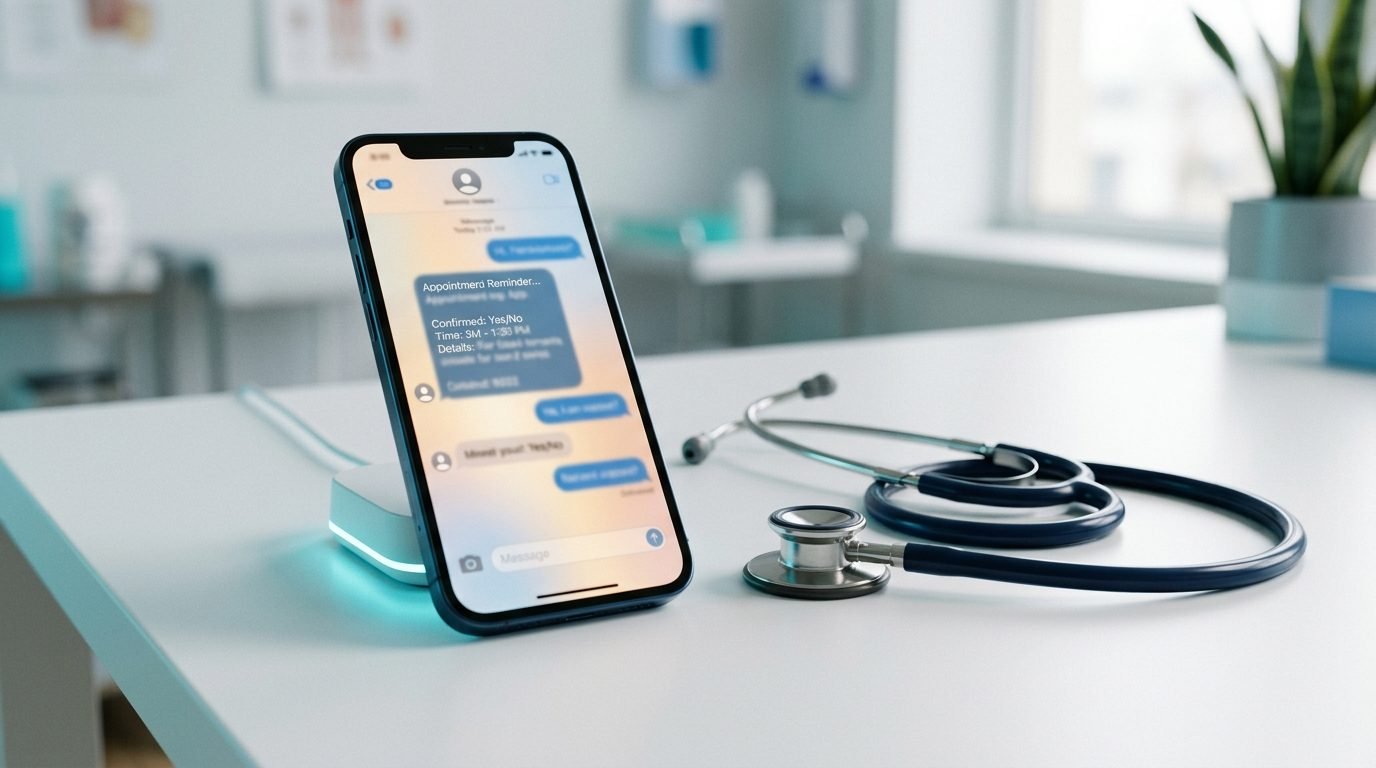
Automated reminders for scheduled sessions. Standard 48-hour and 24-hour reminders. Client-preferred delivery method (SMS, email, both). Cuts session no-show rates by 25-35 percent.
Superbill automation for out-of-network clients
For cash-pay and out-of-network practices — automated superbill generation after each session, delivered to the client via secure portal for insurance submission. Removes the front-desk burden of manual superbill preparation and makes out-of-network practice more accessible to clients pursuing insurance reimbursement.
Session package and prepay workflows
For practices offering session packages (5-session, 10-session bundles) or intensive programs (EMDR intensives, couples intensives) — automated payment collection and session tracking. Enables package pricing as retention tool.
No-show and cancellation workflows
When a client cancels or no-shows, automated workflow captures the reason, offers reschedule, tracks patterns, and flags at-risk clients for therapist review.
The intake conversion math
Solo therapist practice at 20-30 client capacity, currently receiving 15 inquiries per month at 45% inquiry-to-first-session conversion = 6-7 new clients monthly. Implement systematic intake automation. Conversion rate rises to 75%. Now 11-12 new clients monthly. At $150/session average x 12 sessions per client average = $18,000-22,500 in incremental annual revenue per additional monthly new client x 5 additional new clients per month = $90,000-112,500 annual revenue improvement from a single operational investment.
HIPAA and 42 CFR Part 2 considerations
All automation runs on BAA-eligible infrastructure with mental health-appropriate configuration. For substance use practices, 42 CFR Part 2 compliance is layered on top. See HIPAA approach.
Intake scheduling automation FAQ
Can I integrate my existing EHR (SimplePractice, TherapyNotes, TheraNest)?
Often yes. We integrate GoHighLevel with common therapy practice management systems where API access allows. Session notes stay in your existing EHR; we handle intake, scheduling, and client communication automation.
Do clients get annoyed with automated reminders?
Frequency is calibrated to feel supportive, not intrusive. Client preferences respected.